Disclosure: Some of the links on this page are affiliate links. This means that, at no additional cost to you, I may earn a small commission if you click through and make a purchase. I only recommend products that I personally use or believe will be helpful in emergency preparedness.
If you are building a small emergency food supply, canned food can do a lot of heavy lifting. It is familiar, easy to store, and usually does not need complicated cooking. The tricky part is figuring out how much canned food belongs in a 3-day emergency kit without buying random cans you will never use.
A good starting point is to plan simple meals first, then buy the cans that make those meals possible. That keeps your kit practical instead of turning it into a mystery shelf of “just in case” food.
Quick Answer: How Much Canned Food for 3 Days?
Plan for three days of easy meals for each person in your household. For many adults, that means roughly 6 to 9 meal-sized cans or pouches per person, plus shelf-stable sides like crackers, rice, instant potatoes, oatmeal, or shelf-stable tortillas.
That is not a medical nutrition target or a survival guarantee. It is a practical pantry planning shortcut. Adjust for appetite, dietary needs, children, pets, and whether you can safely heat food.
A Simple 3-Day Canned Food Checklist
| Food Type | Amount per Person | Examples |
|---|---|---|
| Protein cans | 3 to 4 | Tuna, chicken, beans, chickpeas, chili |
| Meal cans | 3 | Soup, stew, pasta, curry, canned ravioli |
| Fruit or vegetable cans | 3 to 6 | Peaches, applesauce, green beans, corn, carrots |
| Shelf-stable sides | 3 to 6 servings | Rice cups, crackers, oatmeal, instant potatoes |
| Comfort extras | Optional | Tea, cocoa packets, hard candy, hot sauce |
Build Around Meals, Not Just Cans
Instead of counting cans only, picture breakfast, lunch, and dinner. Breakfast might be oatmeal with canned fruit. Lunch might be tuna and crackers. Dinner might be chili over instant rice or a simple shelf-stable recipe like pantry chickpea coconut curry.
This approach helps you avoid a common mistake: stocking ingredients that do not go together. Ten random cans are less useful than three meals you already know how to make.
Choose Pull-Top Cans When You Can
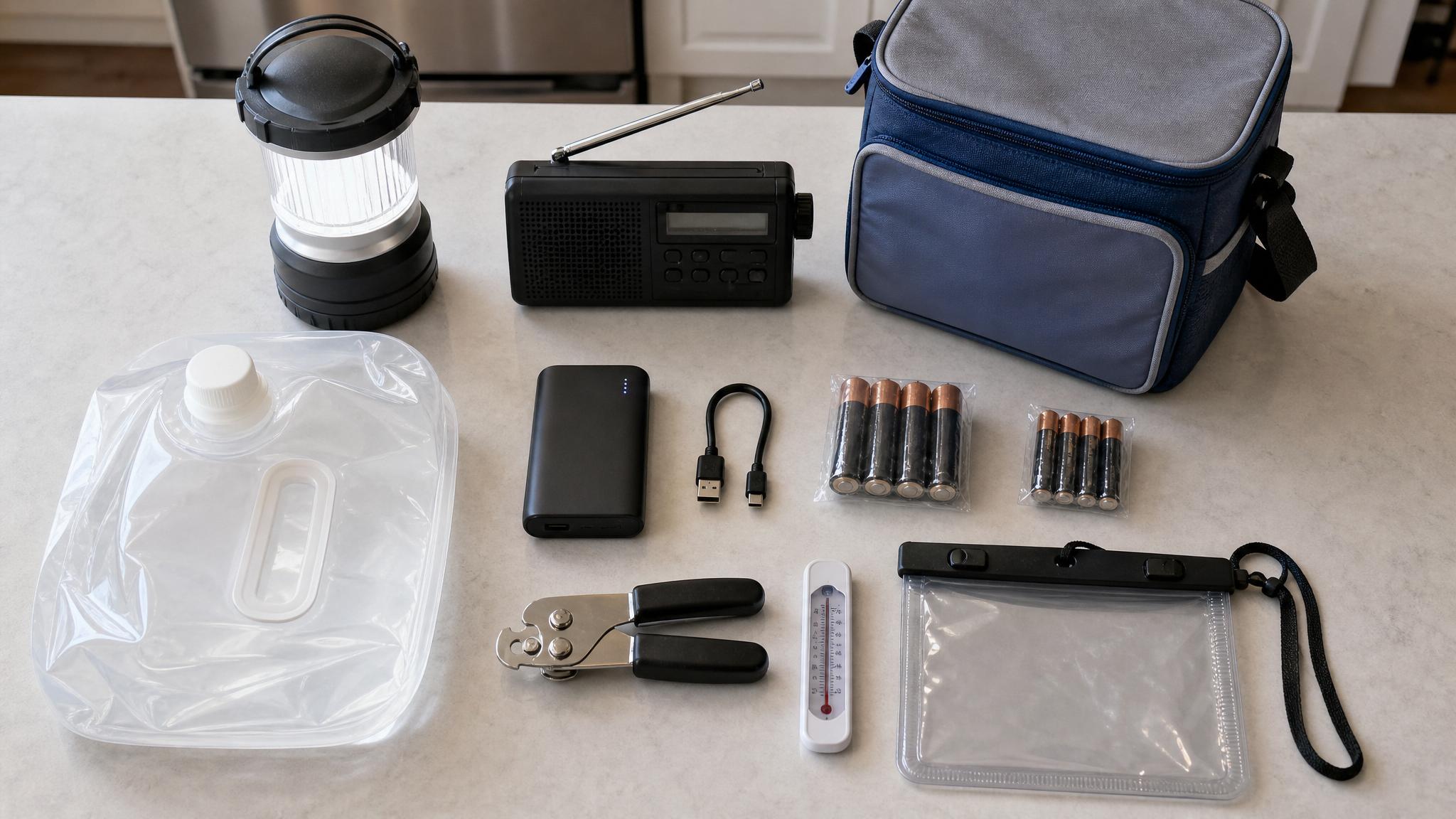
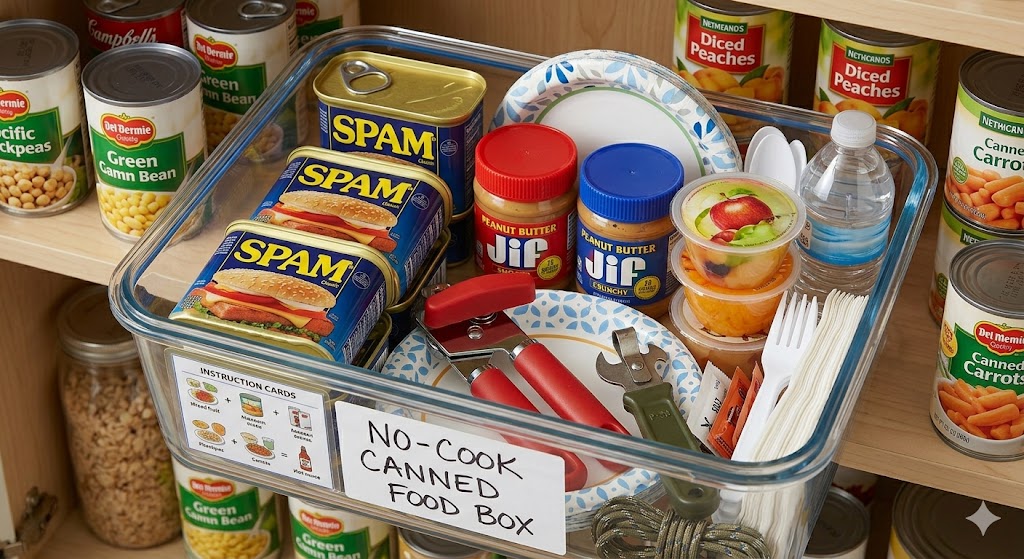
Pull-top cans are helpful, but do not rely on them completely. Keep at least one manual can opener in your emergency kit and one in your kitchen drawer. If you have a larger household, a backup opener is worth the tiny amount of space it takes.
Do Not Forget Water and Cooking Limits
Some canned foods can be eaten at room temperature. Others taste much better heated, and dry sides like rice or instant potatoes need water. If you are planning for power outages, include meals that work even if you cannot cook.
For foods that need heating, use only safe cooking methods for your situation. Outdoor camp stoves and grills should stay outdoors because of carbon monoxide risk. Keep the plan simple and safe.
Rotate What You Store
The best emergency food is food your household will actually eat. Add a small “use by” check to your calendar every few months. Move older cans into regular meals, then replace them with fresh ones.
You do not need a perfect bunker pantry. A few intentional meals, a can opener, water, and familiar foods can make a short disruption much easier to handle.