Disclosure: Some of the links on this page are affiliate links. This means that, at no additional cost to you, I may earn a small commission if you click through and make a purchase. I only recommend products that I personally use or believe will be helpful in emergency preparedness.
Hurricane Snack Kit: The Ultimate Guide to No-Cook Foods
When the winds howl and the rain lashes down, the last thing you want to worry about is what you’re going to eat. A hurricane means the near-certainty of a power outage, rendering your refrigerator and stove useless. This is where a well-stocked, no-cook hurricane snack kit becomes one of your most valuable assets. It’s not just about survival; it’s about providing comfort, energy, and a sense of normalcy in a stressful situation. This comprehensive guide will walk you through everything you need to create the ultimate emergency snack stash for you and your family.
Why Your Standard Pantry Isn’t Enough for a Hurricane
You might think your kitchen pantry is already prepared, but a hurricane presents unique challenges. Most pantries are filled with ingredients that require cooking, refrigeration after opening, or a can opener you might not be able to find in the dark. A dedicated emergency kit is designed for grab-and-go access and immediate consumption without any utilities.
Consider these factors:
- Power Outages: A hurricane can knock out power for days, or even weeks. Without a refrigerator or microwave, your food options become severely limited. Your emergency snacks must be 100% non-perishable and require zero cooking.
- Water Safety: After a storm, tap water may not be safe to drink or use for cooking or cleaning. Relying on foods that don’t require water for preparation is crucial.
- Stress and Fatigue: Preparing for and enduring a hurricane is physically and emotionally draining. Your body needs calories and nutrients to cope. Easy-to-eat, high-energy snacks are perfect for combating fatigue and keeping spirits up.
Building the Perfect Hurricane Snack Kit: Key Principles
Assembling an effective snack kit is about more than just throwing a few bags of chips into a box. It requires thoughtful planning. Follow these core principles to ensure your kit is practical, nutritious, and morale-boosting.
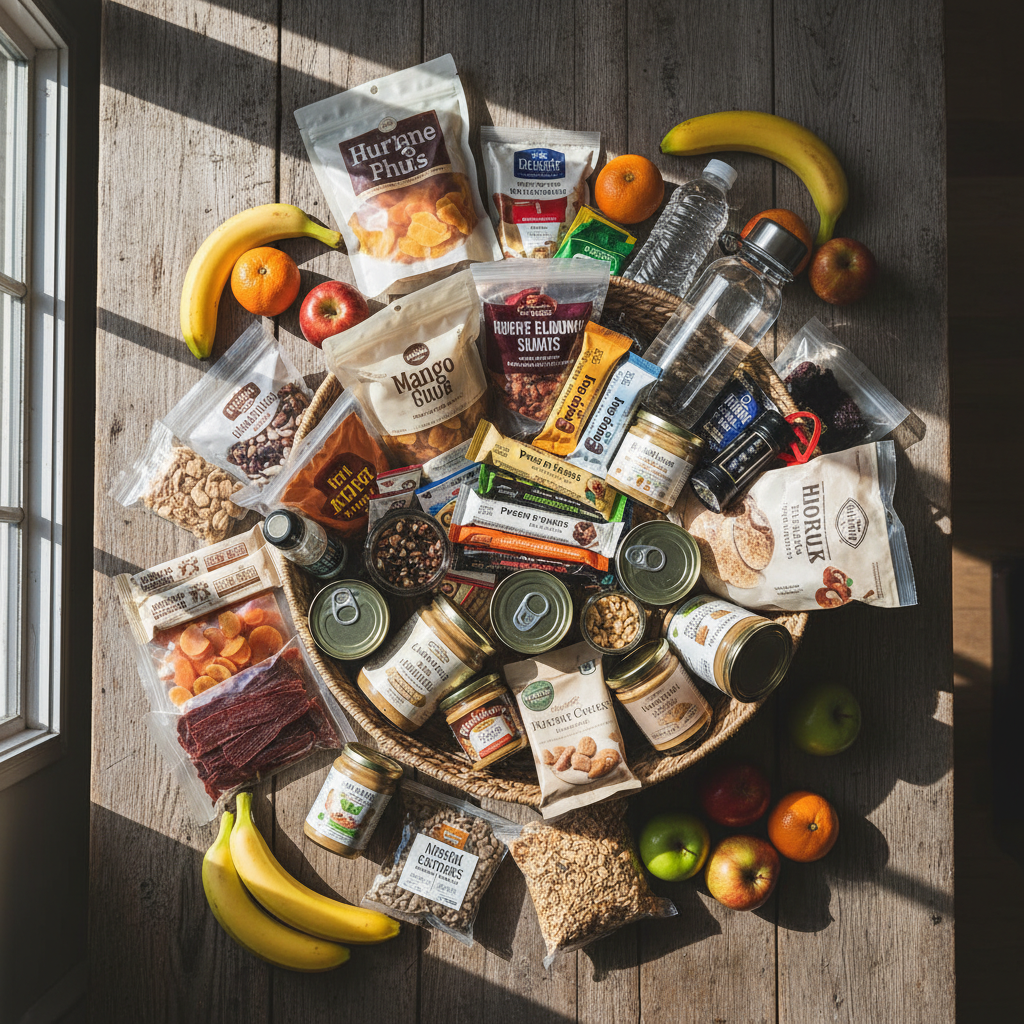
- Prioritize No-Cook, No-Refrigeration Items: This is the golden rule. Every single item should be ready to eat straight from its packaging. Think protein bars, not pasta; think jerky, not frozen burgers.
- Focus on Nutrient Density: While comfort food is important, the foundation of your kit should be nutrient-dense foods. Look for a balance of protein, healthy fats, and complex carbohydrates to provide sustained energy, not just a quick sugar rush.
- Don’t Forget Morale Boosters: In the middle of a storm, a small treat can make a world of difference. Include items like chocolate, hard candy, or your favorite cookies. These “comfort foods” are essential for mental and emotional well-being, especially for children.
- Cater to All Family Members: Consider the dietary needs and preferences of everyone in your household. Do you have young children, elderly parents, or someone with a food allergy? Pack specific items like applesauce pouches for toddlers, softer foods for seniors, or gluten-free crackers.
- Check Expiration Dates Regularly: Your hurricane kit is not a “set it and forget it” project. Set a calendar reminder every six months to check expiration dates. Rotate out any items nearing their date and replace them with fresh supplies. This is a great opportunity to eat the older stock and prevent waste.
Top Snack Categories for Your Emergency Stash
To ensure a well-balanced kit, organize your shopping list by category. Aim to have a variety of items from each group to prevent flavor fatigue and provide a range of nutrients.
Protein Powerhouses
Protein is vital for keeping you feeling full and maintaining energy levels. These options are packed with it and require no preparation.
- Beef or turkey jerky
- Protein bars and granola bars with high protein content
- Nuts and seeds (almonds, walnuts, cashews, sunflower seeds)
- Canned tuna, salmon, or chicken in easy-open pouches or pop-top cans
- Single-serving peanut butter or other nut butter packets
Energy-Boosting Carbohydrates
Carbs are your body’s primary fuel source. Focus on complex carbs for lasting energy, but don’t shy away from some simple carbs for a quick boost.
- Whole-grain crackers, pretzels, and rice cakes
- Dried fruits (apricots, raisins, cranberries)
- Trail mix (pre-made or a custom blend)
- Dry cereal that can be eaten without milk
- Fruit leather or fruit snacks
Comfort and Morale Foods
Never underestimate the psychological power of a favorite treat during a crisis. These items can lift spirits and provide a much-needed sense of normalcy.
- Chocolate bars (choose ones that are less likely to melt)
- Hard candies, lollipops, and gum
- Cookies or biscuits in sturdy packaging
- Instant coffee packets or tea bags (if you have a safe way to heat water)
- Powdered drink mixes to make water more interesting
Kid-Friendly Additions to Your Hurricane Snack Kit
Keeping children calm and comfortable is a top priority. Pack snacks you know they love and will eat without a fuss. Familiarity is comforting during a stressful event.
- Applesauce and Fruit Pouches: Easy for little hands to hold and no spoon required.
- Goldfish or Animal Crackers: A classic comfort food for a reason.
- Juice Boxes or Pouches: Ensures they stay hydrated and provides a sweet treat.
- Fruit Snacks: Choose brands made with real fruit juice for a slightly healthier option.
- Individual Pudding Cups: Look for shelf-stable varieties that don’t require refrigeration.
Pro-Tip: Involve your kids in packing their part of the snack kit. Letting them choose a few of their favorite, non-perishable treats can give them a sense of control and make the kit feel less intimidating.
Packing and Storing Your Survival Snacks
How you store your snacks is just as important as what you buy. Proper storage protects your food from pests, water damage, and spoilage.
- Use Waterproof, Airtight Containers: Invest in sturdy plastic bins with secure lids. This will protect your food from floodwater, humidity, and critters.
- Organize by Category: Use large, sealed plastic bags to group similar items (e.g., all protein bars in one bag, all crackers in another). This makes it easy to find what you need without unpacking the entire bin.
- Store in an Accessible Location: Keep your kit in a cool, dark place like a closet, pantry, or under a bed on the first floor. Avoid the garage or attic, where temperature extremes can spoil food faster. Ensure it’s easy to grab in a hurry.
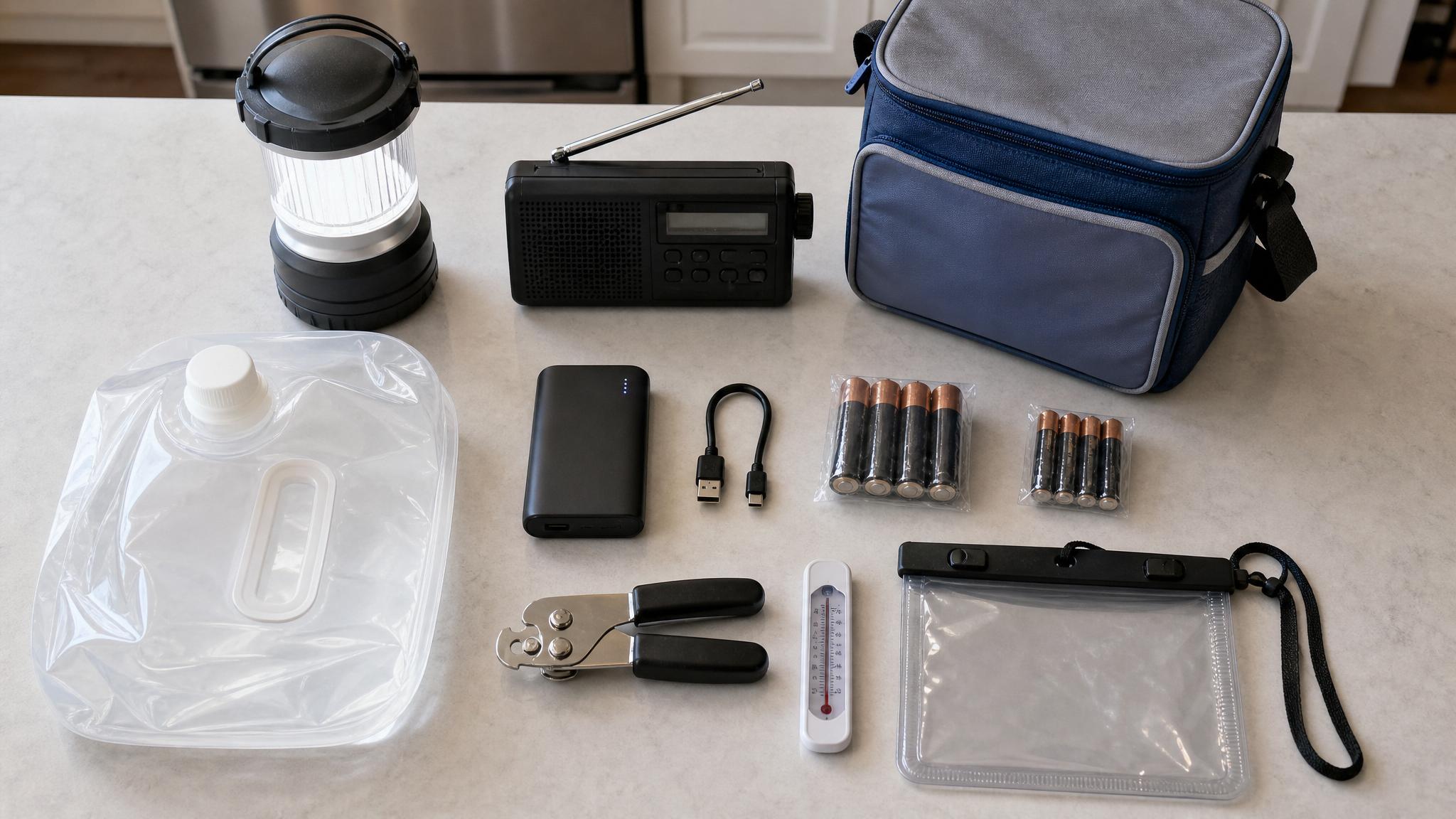
- Don’t Forget the Essentials: Pack a manual can opener (even for pop-tops, which can fail), disposable utensils, napkins, and garbage bags within your kit.
Preparing your hurricane snack kit well before a storm is on the horizon is one of the most proactive steps you can take. It’s a simple task that pays huge dividends in safety, comfort, and peace of mind when you need it most. Stay safe, and stay prepared.
Frequently Asked Questions
How many snacks should I pack per person?
A good rule of thumb is to pack enough food to last each person for a minimum of 72 hours (3 days). FEMA and other emergency agencies are now recommending a 5-7 day supply. For snacks, aim for 2-3 substantial snacks per person, per day, in addition to one or two small meal-replacement items like a protein bar or canned tuna.
What’s the best way to store my hurricane snack kit?
The best storage method is to use a waterproof, airtight plastic bin with a locking lid. Keep it in a cool, dark, and easily accessible location inside your home, such as a hall closet or pantry. Avoid storing it in a garage or shed where extreme temperatures can degrade the food quality over time.
Can I include canned goods in my snack kit?
Absolutely! Canned goods are a great addition, but be selective. Choose items that are enjoyable to eat at room temperature, such as canned fruits, puddings, and ready-to-eat soups or pastas (like ravioli). Always prioritize pop-top cans, but be sure to pack a reliable manual can opener as a backup.
How often should I rotate the items in my snack kit?
You should review and rotate the contents of your hurricane snack kit at least once a year. A good way to remember is to do it during Daylight Saving Time changes in the spring or fall. Check all expiration dates, replace any items that are close to expiring, and refresh your water supply.