Disclosure: Some of the links on this page are affiliate links. This means that, at no additional cost to you, I may earn a small commission if you click through and make a purchase. I only recommend products that I personally use or believe will be helpful in emergency preparedness.
Earthquake Prep Checklist: The Ultimate Guide to Staying Safe
In regions prone to seismic activity, the question isn’t if an earthquake will happen, but when. While we can’t predict them, we can absolutely prepare for them. A thorough earthquake prep checklist is your most critical tool for navigating the chaos and ensuring the safety of you and your loved ones. Many people think a few bottles of water and a flashlight are enough, but true preparedness goes much deeper. This guide will walk you through every step, from assembling robust survival kits to fortifying your home and creating a communication plan that works when networks are down.
At ReadyPrepLists.com, we believe that preparation empowers you to face emergencies with confidence. Let’s build your resilience, one checklist item at a time.
Assembling Your Essential Earthquake Survival Kits
After a major earthquake, emergency services will be overwhelmed. You must be prepared to be self-sufficient for a minimum of 72 hours, but experts now recommend aiming for up to two weeks. This means having two types of kits: a “Go-Bag” for evacuation and a more extensive “Stay-at-Home” kit.
1. The Grab-and-Go Bag (72-Hour Kit)
This is a portable kit for each member of your household (including pets) that you can grab instantly if you need to evacuate. Store it in a cool, dark place near an exit.
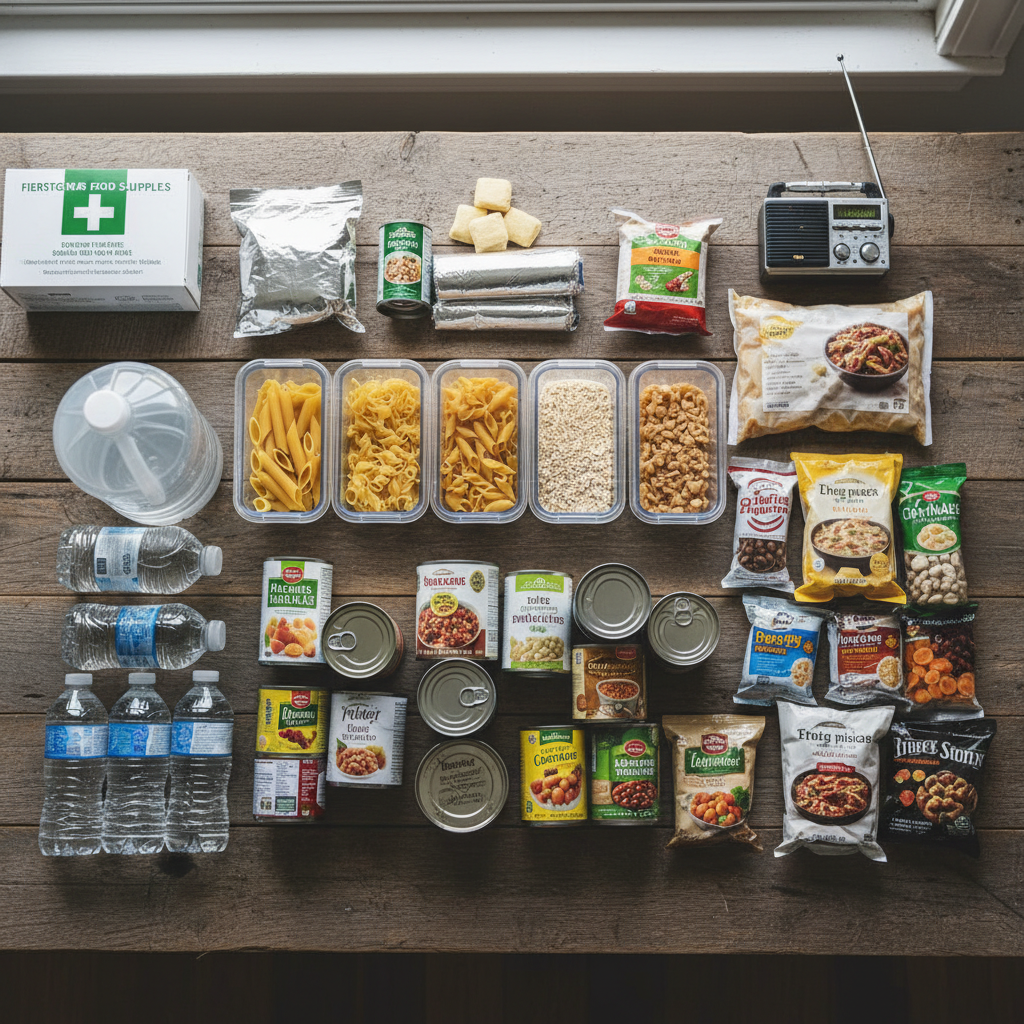
- Water: One gallon per person, per day, for three days. Use commercially bottled water if possible.
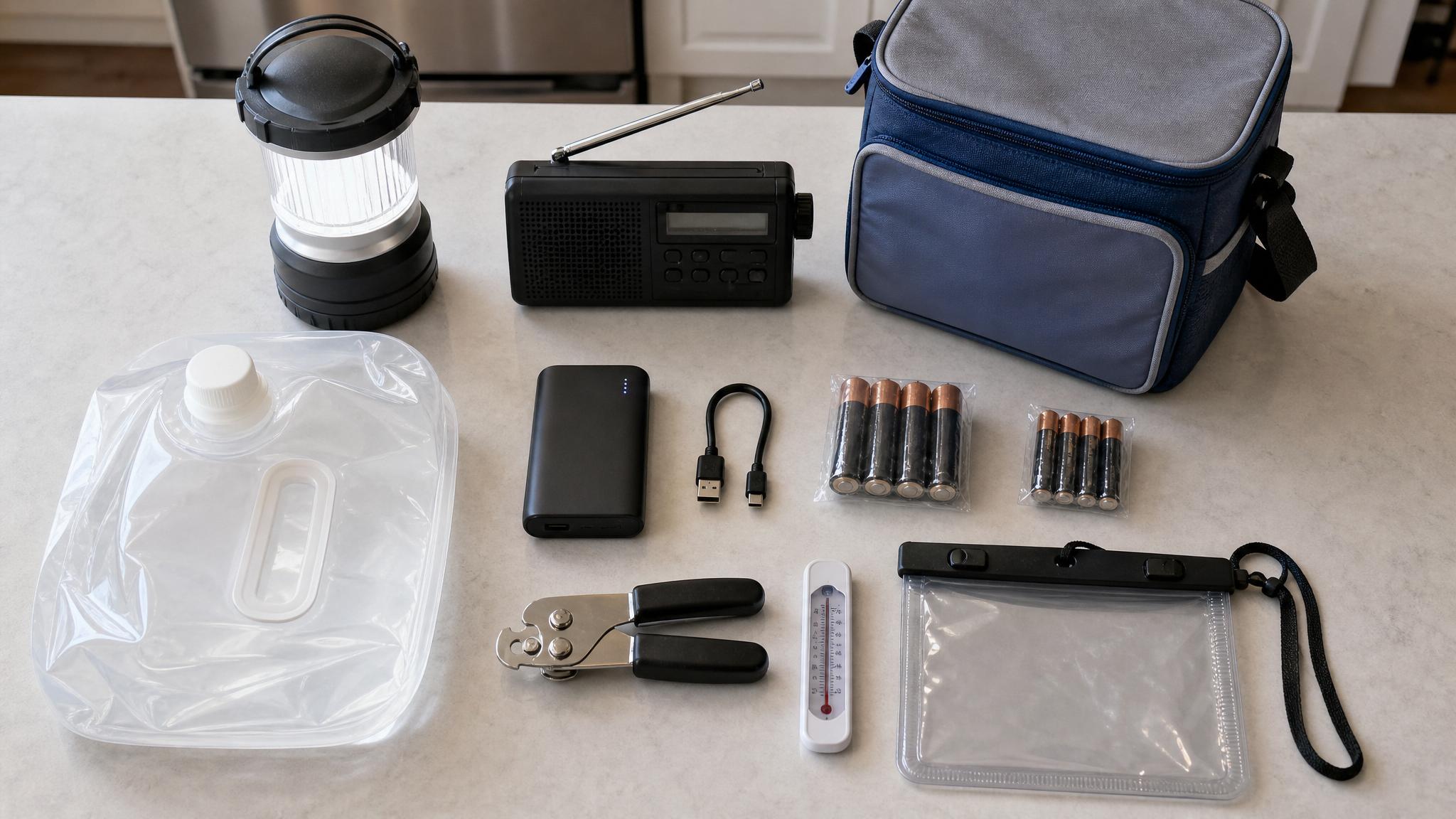
- Food: A three-day supply of non-perishable, high-energy food like protein bars, dried fruit, nuts, and ready-to-eat canned goods (don’t forget a manual can opener).
- First-Aid Kit: A well-stocked kit including bandages, antiseptic wipes, pain relievers, adhesive tape, sterile gauze, and any personal prescription medications (check expiration dates every six months).
- Light and Communication: Crank-powered or battery-operated flashlight and radio (with extra batteries). A headlamp is excellent for keeping your hands free.
- Tools and Safety Gear: A multi-tool, whistle to signal for help, dust masks for each person, and sturdy work gloves.
- Sanitation: Moist towelettes, garbage bags, and plastic ties for personal sanitation.
- Documents and Cash: Copies of important documents (ID, insurance policies, birth certificates) in a waterproof bag, plus cash in small denominations.
- Personal Items: A change of clothes, sturdy closed-toe shoes, and a warm blanket or emergency Mylar blanket for each person.
2. The Stay-at-Home Kit (2-Week Supply)
This kit contains everything in your Go-Bag, but in much larger quantities to sustain your family for up to two weeks if you are able to shelter in place.
- Water: A two-week supply (1 gallon per person, per day). Consider a water filter or purification tablets as a backup.
- Food: A two-week supply of non-perishable food that requires minimal heat or water to prepare. Remember to cater to dietary restrictions.
- Cooking: A camp stove or barbecue with fuel (NEVER use indoors). Include waterproof matches or lighters.
- Extended First-Aid: A more comprehensive medical kit with supplies for treating more significant injuries.
- Power: Power banks for charging cell phones, extra batteries for all devices, and perhaps a small solar charger.
- Comfort and Entertainment: Books, card games, or puzzles to help pass the time and reduce stress, especially for children.
Securing Your Space: An Actionable Home Earthquake Prep Checklist
Most injuries during an earthquake are caused by falling objects, not collapsing buildings. Securing your home is a high-impact preparation step you can take right now.
- Secure Tall Furniture: Anchor bookcases, shelving units, and cabinets to wall studs using flexible fasteners or L-brackets.
- Strap Down Appliances: Use appliance straps to secure your water heater, refrigerator, and other large appliances. Securing your water heater can prevent a fire and preserve a valuable source of emergency water.
- Secure Cabinet Doors: Install strong latches or bolts on kitchen and garage cabinets to prevent contents from flying out.
- Hang with Care: Move heavy pictures and mirrors away from beds, couches, and other places where people sit or sleep. Use closed-hook picture hangers.
- Store Heavy Items Low: Place heavy or breakable items on lower shelves.
- Use Museum Putty: Secure valuable breakables like vases and electronics with non-damaging museum putty.
- Check Your Foundation: If you live in an older home, consult a professional to see if it needs to be bolted to its foundation.
- Know Your Utilities: Locate your main gas, water, and electricity shut-offs. Know how and when to turn them off (especially the gas—only turn it off if you smell a leak, as it requires a professional to turn back on). Keep any necessary tools, like a wrench, tied to the meter itself.
Create and Practice Your Family Emergency Plan
A plan is only useful if everyone knows it. Discuss it with your family and practice it at least twice a year. Your plan should cover:
- Safe Spots: Identify the safest place in each room—under a sturdy desk or table, or against an interior wall away from windows.
- Evacuation Routes: Determine primary and secondary escape routes from your home.
- Meeting Places: Designate two meeting places: one just outside your home for sudden emergencies, and one outside your neighborhood in case you can’t return home.
- Communication Plan: Local phone lines will be jammed. Choose an out-of-state friend or relative as a central point of contact for everyone in the family to call or text. Make sure everyone has this number saved in their phone and written down in their Go-Bag.
- Practice “Drop, Cover, and Hold On”: This is the single most important action to take when the shaking starts. Practice it with your family so it becomes an automatic response.
After the Shaking: Your Immediate Post-Earthquake Checklist
Once the shaking stops, your actions in the immediate aftermath are crucial for safety.
- Check for Injuries: Administer first aid as needed. Do not move seriously injured persons unless they are in immediate danger.
- Assess for Hazards: Look for and extinguish small fires. Check for gas leaks (by smell, not by sight), damaged electrical wiring, and sewage line breaks. If you suspect a gas leak, shut off the main valve, open windows, and leave the building immediately.
- Wear Protective Clothing: Put on sturdy shoes, long pants, a long-sleeved shirt, and work gloves to protect against broken glass and debris.
- Stay Informed: Tune in to your crank or battery-powered radio for official updates and instructions.
- Avoid Driving: Keep the roads clear for emergency vehicles.
- Expect Aftershocks: Be prepared for smaller quakes to follow the main one. Each time you feel one, Drop, Cover, and Hold On.
- Check on Neighbors: If your home is secure, check on your neighbors, especially those who are elderly or have disabilities.
Building a comprehensive earthquake prep checklist and taking action on it is the best way to protect your family. It transforms fear of the unknown into confidence in your ability to respond. Start today—a small step now can make a world of difference later.
Frequently Asked Questions About Your Earthquake Prep Checklist
What is the most important thing to do during an earthquake?
The single most important action is to Drop, Cover, and Hold On. DROP to your hands and knees. COVER your head and neck under a sturdy table or desk. HOLD ON to your shelter until the shaking stops. If there is no shelter nearby, get next to an interior wall and cover your head and neck with your arms. Do not run outside or stand in a doorway.
How much water do I really need for an earthquake kit?
The standard recommendation is one gallon of water per person, per day. For a 72-hour Go-Bag, that’s three gallons per person. For a two-week Stay-at-Home kit, that’s 14 gallons per person. This accounts for drinking as well as limited sanitation needs. Don’t forget to include water for your pets.
Should I turn off my gas line after any earthquake?
No. You should only turn off your main gas line if you smell gas, hear a hissing sound, or see other signs of a leak. Once you turn it off, you will need a qualified professional from the gas company to turn it back on, which could take weeks after a major disaster. An unnecessary shut-off could leave you without gas for a long time. Keep a wrench attached to or near the meter just in case.
What are some common mistakes people make in earthquake preparedness?
One of the biggest mistakes is focusing only on supplies and neglecting to secure the home environment. Falling objects cause the most injuries. Another mistake is not creating and practicing a family communication plan. Finally, people often forget to periodically check and refresh their kits—food expires, water can go stale, and batteries can corrode. Review your kits every six months.