Disclosure: Some of the links on this page are affiliate links. This means that, at no additional cost to you, I may earn a small commission if you click through and make a purchase. I only recommend products that I personally use or believe will be helpful in emergency preparedness.
Hurricane Prep Shopping List: Your Complete Guide Under $200
As hurricane season approaches, the thought of preparing can feel overwhelming, especially when you’re on a tight budget. News reports show empty store shelves and long lines, and the cost of supplies can seem to skyrocket. But what if you could secure your family’s safety without financial strain? It’s not only possible, it’s essential. This guide provides a complete hurricane prep shopping list designed to get you fully equipped for under $200. We’ll walk you through exactly what you need, where to save, and how to build a robust emergency kit that gives you peace of mind when the storm clouds gather.
Why a Budget-Friendly Hurricane Prep List Matters
Preparedness is a right, not a luxury. The primary goal of creating a hurricane kit is to ensure you and your family can be self-sufficient for at least 72 hours, though aiming for 5-7 days is even better. This is crucial because, after a major storm, emergency services can be overwhelmed, and access to essentials like power, clean water, and open stores may be cut off.
Focusing on a budget-friendly approach does two things:
- It makes preparedness accessible. Many people delay preparing because they think it’s too expensive. By breaking it down into an affordable, actionable plan, we remove that barrier.
- It encourages smart, focused shopping. A budget forces you to prioritize the absolute essentials over unnecessary gadgets. You’ll focus on high-utility items that serve multiple purposes, ensuring every dollar is spent wisely.
With this list, you can confidently build a kit that covers all your bases—water, food, first aid, communication, and safety—without the stress of overspending.
The Core Four: Your Non-Negotiable Hurricane Supplies
Before diving into the full list, let’s focus on the four pillars of any emergency kit. If you start with these, you’ll be in a strong position. These are the items you absolutely cannot go without when a hurricane is on the horizon.
- Water: The golden rule is one gallon of water per person, per day. For a family of four, that’s four gallons per day. Aim for a minimum three-day supply (12 gallons), but a seven-day supply (28 gallons) is ideal.
- Food: Stock up on non-perishable foods that require no cooking or refrigeration. Think canned meats, fruits, vegetables, protein bars, peanut butter, and crackers. Ensure you have enough for every person for at least three to seven days.
- First-Aid Kit: You can buy a pre-made kit or build your own. It must include bandages, antiseptic wipes, pain relievers, gauze, adhesive tape, and any personal prescription medications.
- Lighting & Communication: Power outages are almost a guarantee. You need flashlights (LEDs are best), extra batteries, and a battery-powered or hand-crank NOAA weather radio to stay informed of storm updates and official instructions.
Your Complete Hurricane Prep Shopping List on a Budget (<$200)
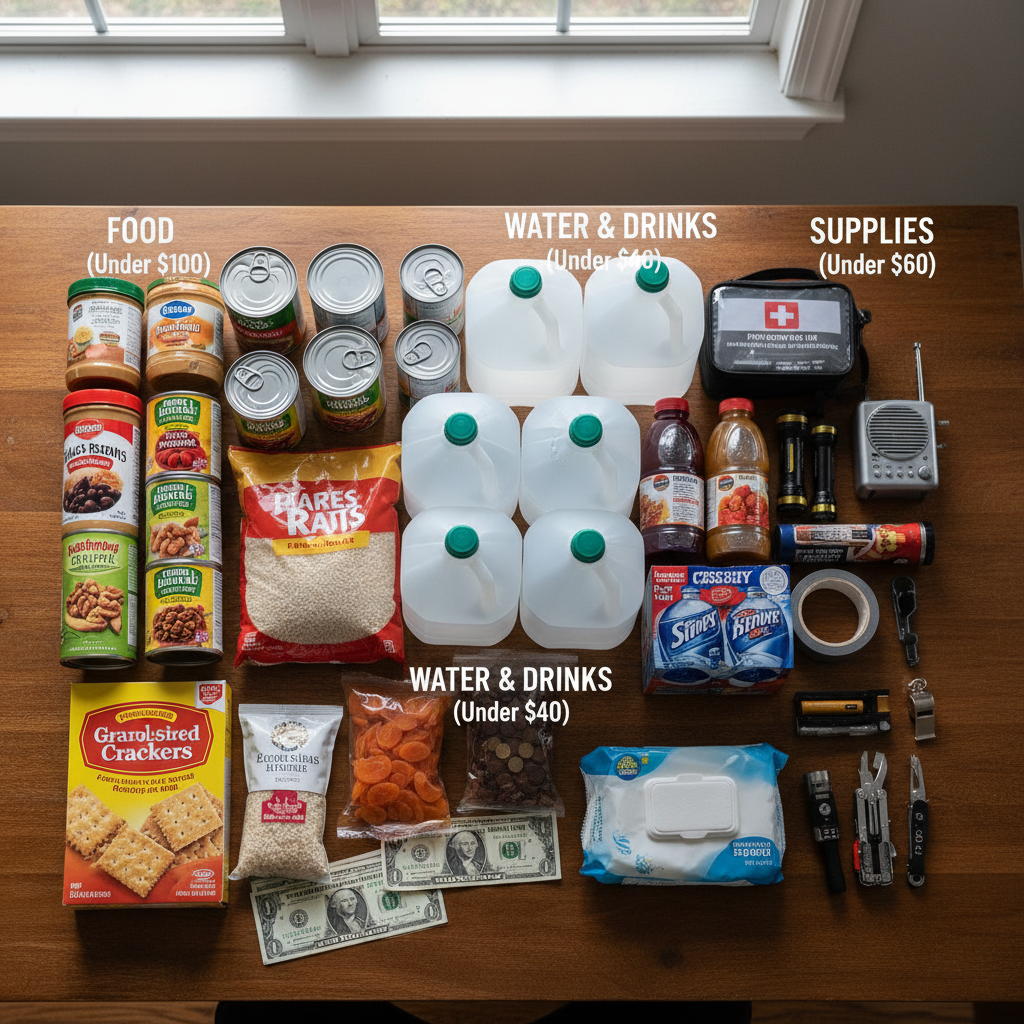
Ready to shop? Here’s a detailed breakdown of your shopping list, categorized to make it easy. The estimated costs are based on generic or store-brand items to maximize your budget. Prices will vary by location and store, but this provides a realistic framework.
Category 1: Water & Food (~$75)
This is the largest portion of your budget, and for good reason. Sustenance is key. Look for sales on canned goods and buy store-brand water to save.
- Bottled Water: Aim for 7 gallons per person. For a family of two for 3 days, that’s 6 gallons. (~$10)
- Water Filtration/Purification: A simple filtration straw or purification tablets are a great backup. (~$15)
- Canned Goods: Tuna, chicken, beans, soups, vegetables, and fruits. Choose pop-top cans to avoid needing a can opener. (15-20 cans, ~$25)
- Protein/Granola Bars: Easy, no-mess energy. (2 boxes, ~$10)
- Peanut Butter & Crackers: A classic, calorie-dense combo. (~$5)
- Dried Fruit & Nuts: High-energy and long-lasting. (~$5)
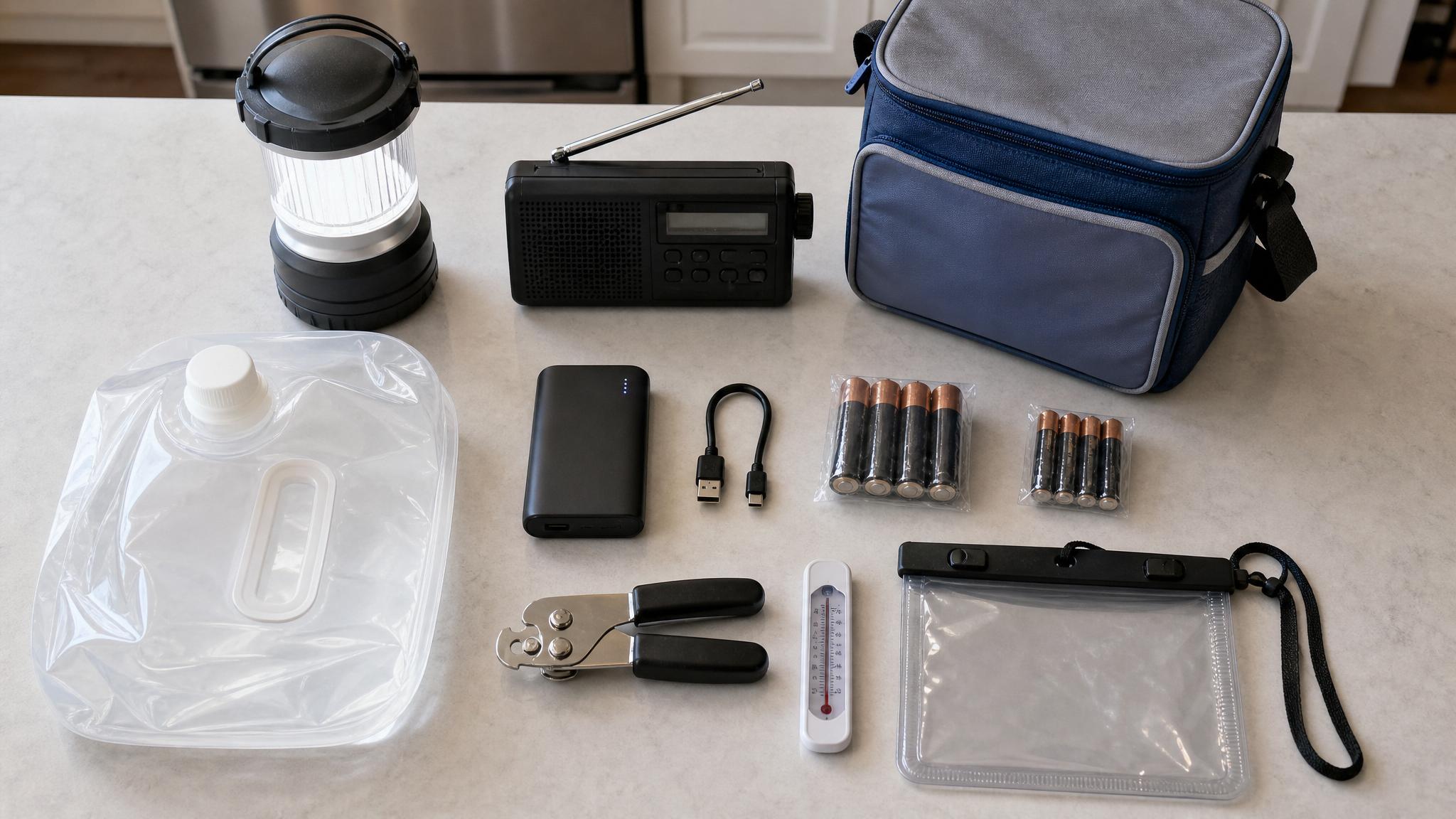
- Manual Can Opener: Don’t forget this! (~$2)
- Instant Coffee/Tea & Powdered Drink Mixes: For a morale boost. (~$3)
Pro-Tip: To save money on water for sanitation (flushing toilets, washing), fill bathtubs, sinks, and any spare containers with tap water before the storm hits.
Category 2: Health & Safety Supplies (~$45)
Your health is paramount. A well-stocked first-aid kit and proper hygiene supplies can prevent minor issues from becoming major problems.
- First-Aid Kit: A basic pre-made kit is a great starting point. (~$15)
- Extra Prescription Medications: Talk to your doctor about getting an extra 7-day supply. (Cost varies)
- Pain Relievers & Allergy Medicine: Ibuprofen or acetaminophen, plus an antihistamine. (~$5)
- Antiseptic Wipes & Hand Sanitizer: Keeping clean is vital for health. (~$5)
- Feminine Hygiene Supplies & Diapers/Wipes: Stock up on personal necessities. (~$10)
- Garbage Bags with Ties: For sanitation and waste disposal. (~$5)
- N95 or Dust Masks: To protect from contaminated air or dust during cleanup. (~$5)
Category 3: Tools & Emergency Gear (~$50)
This category covers the gear you’ll need to stay informed, safe, and functional without electricity.
- NOAA Weather Radio (Hand-Crank/Battery): Your most reliable source of information. (~$20)
- LED Flashlights or Headlamps: One for each family member. (~$10 for a multi-pack)
- Extra Batteries: Get sizes for all your devices. (~$10)
- Multi-Tool or Basic Tool Kit: Essential for minor repairs or turning off utilities. (~$10)
- Duct Tape: Has endless uses in an emergency. (~$5)
Category 4: Documents & Personal Items (~$30)
These items are about securing your future and maintaining morale.
- Waterproof Document Bag: To protect birth certificates, passports, insurance policies, and deeds. (~$10)
- Cash: ATMs and credit card machines won’t work without power. Get small bills. (Budget for this separately, but have it ready)
- Portable Power Bank: To keep your cell phone charged. (~$15)
- Local Maps: Your GPS might not work. (~$5)
- Pet Supplies: Food, extra water, and medications for your pets. (Factor into food budget)
- Comfort Items: Books, cards, or games for kids to reduce stress. (Free or low-cost)
Beyond the Basics: Low-Cost & No-Cost Prep Steps
Being prepared isn’t just about what you buy. Some of the most important steps are completely free.
- Create a Family Communication Plan: Designate an out-of-state contact that everyone can call to check in with. Make sure everyone has important numbers written down.
- Know Your Evacuation Zone: Check with your local emergency management agency to learn your zone and planned routes.
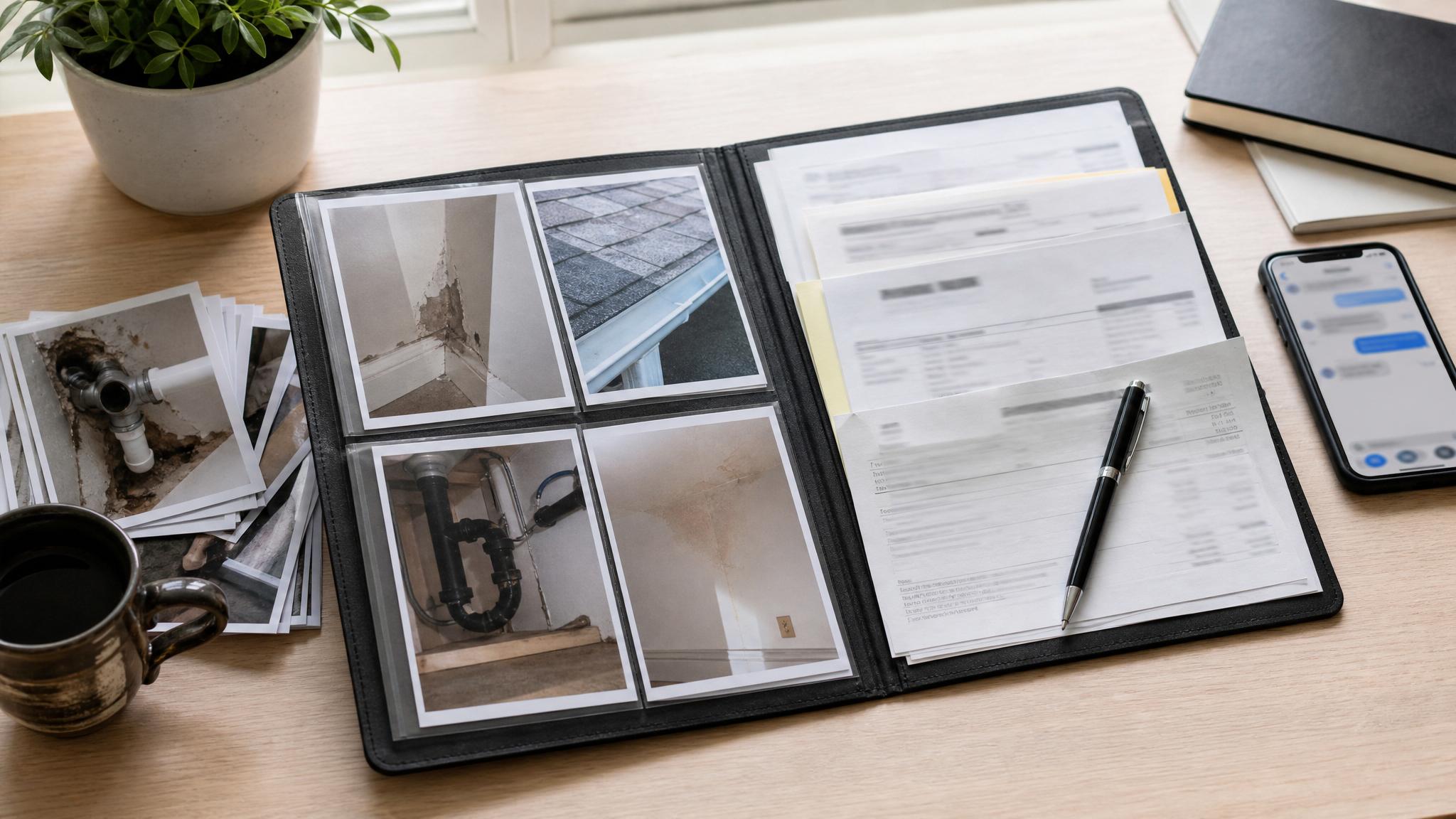
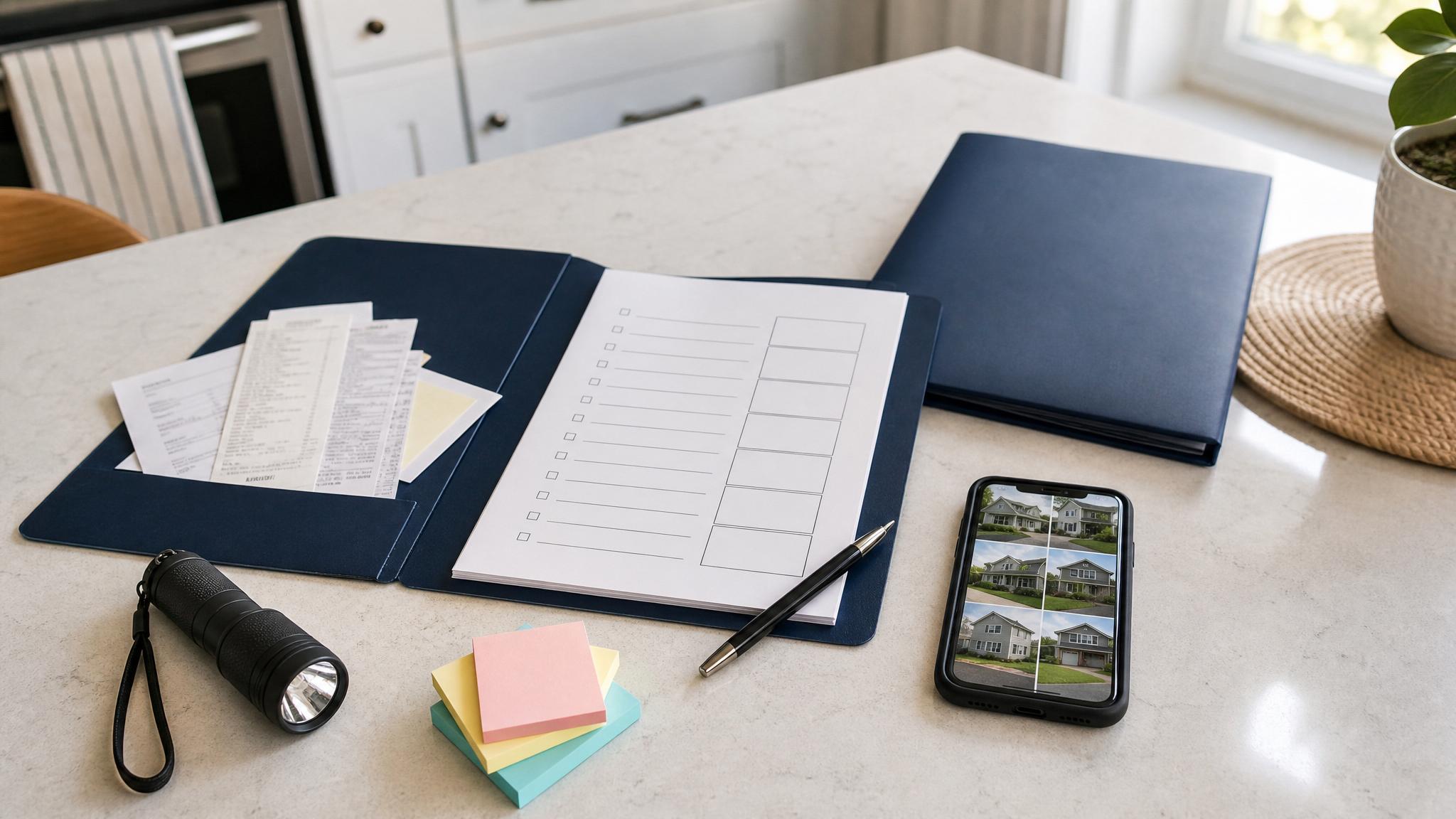
- Document Your Valuables: Take pictures and videos of your home and belongings for insurance purposes. Email them to yourself or save them to a cloud service.
- Secure Your Home: Bring in all outdoor furniture, decorations, and garbage cans. Determine how you will protect windows (e.g., pre-cut plywood, storm shutters).
- Clear Gutters and Drains: Ensure rainwater can flow freely away from your home to prevent flooding.
FAQs for Your Hurricane Prep Shopping List
How many days of supplies do I really need?
At a minimum, you need a 72-hour (3-day) supply of food, water, and other essentials. However, federal agencies like FEMA and Ready.gov are increasingly recommending a 5 to 7-day supply. After a catastrophic storm, it can take a week or more for infrastructure and supply chains to be restored. Aim for 3 days as your starting goal and gradually build up to 7 days as your budget allows.
What’s the most important item on a hurricane prep list?
While every item is important, water is universally considered the single most critical element of any disaster kit. A person can survive for weeks without food but only a few days without water. Securing a safe, potable water supply for drinking and sanitation should be your number one priority. One gallon per person per day is the standard recommendation.
Can I really build a hurricane kit for under $200?
Absolutely. The key is to shop smart and focus on necessities. Buy store brands, use coupons, and shop at discount or bulk stores. Many items, like a can opener or duct tape, you may already own. The $200 budget is designed to build a strong foundational kit for a small family from scratch. You can always add more specialized items over time.
What about preparing for pets during a hurricane?
Pets are family, and they need their own emergency kit. Your pet’s hurricane prep shopping list should include a 7-day supply of food and water, a two-week supply of any medications, copies of vaccination records, a crate or carrier, extra leashes, and photos of you with your pet in case you get separated. Also, research pet-friendly shelters in your area ahead of time, as not all emergency shelters accept animals.