Disclosure: Some of the links on this page are affiliate links. This means that, at no additional cost to you, I may earn a small commission if you click through and make a purchase. I only recommend products that I personally use or believe will be helpful in emergency preparedness.
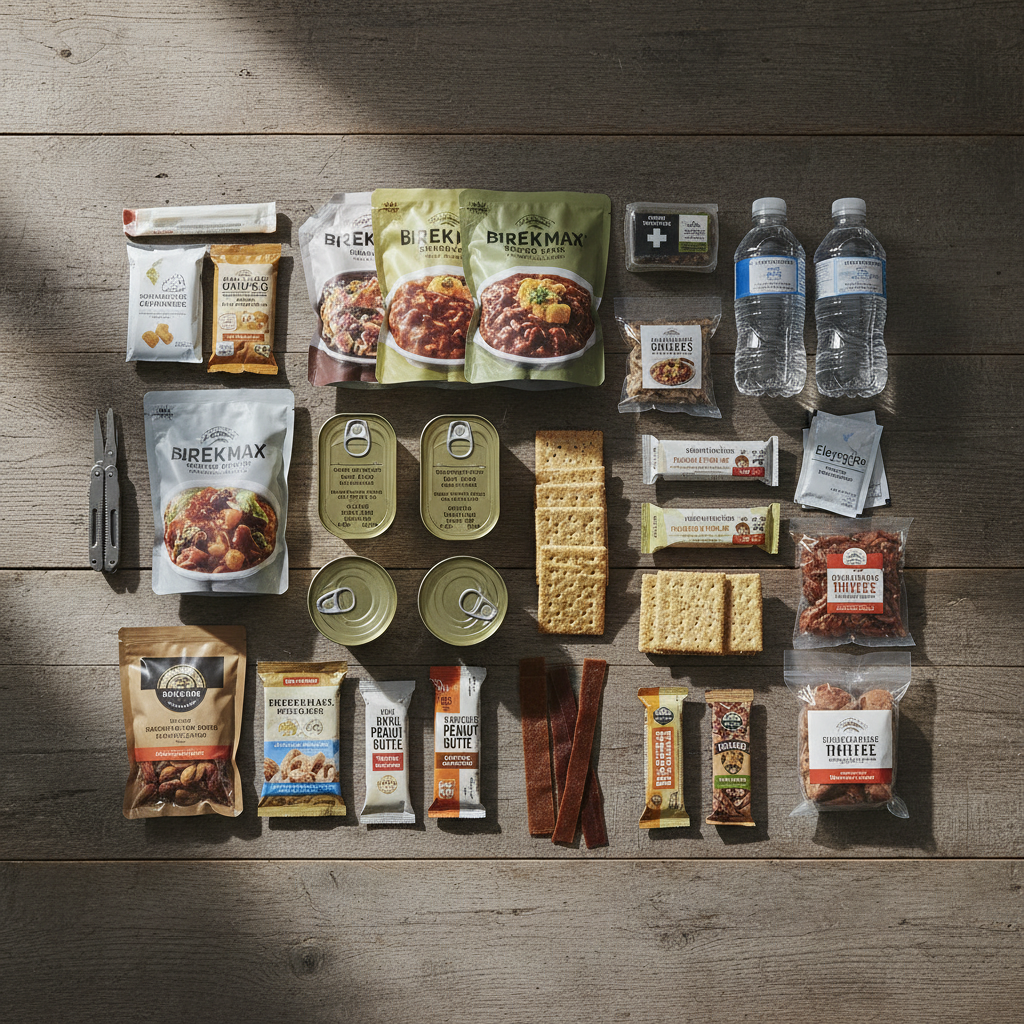
A 3-day emergency meal box does not have to be fancy. It just needs to be practical, shelf-stable, and easy to use when your normal routine gets interrupted.
The goal is simple: set aside enough food and water for three days, keep it organized in one place, and choose meals you can actually make during a power outage, storm, or short-term emergency. You do not need extreme survival food or a giant storage room. A sturdy bin, a small checklist, and familiar pantry foods can do the job.
What is a 3-day emergency meal box?
A 3-day emergency meal box is a small food kit built around shelf-stable meals and snacks. It is different from a deep pantry because it is packed as a ready-to-use set. If the power goes out or you need to stay home for a few days, you can open the box and know exactly what meals are available.
This is especially helpful if you live in an apartment, have limited storage, or feel overwhelmed by long emergency food lists. Three days is a manageable starting point.
Start with the food you already eat
The best emergency meals are not the ones that look impressive on a checklist. They are the ones your household will actually eat when things are stressful.
Before you buy anything new, look at your pantry. Do you already use oatmeal, tuna pouches, canned beans, instant rice cups, crackers, peanut butter, soup, couscous, pasta sauce, or shelf-stable tortillas? Those are all useful building blocks.
Try to avoid building a box full of foods your family dislikes. An emergency is not the time to discover that no one wants the canned soup you bought in bulk.
Simple 3-day meal box formula
Use this formula per person as a starting point. Adjust for appetite, dietary needs, and whether you expect to have a safe way to heat food.
| Meal type | What to pack | Examples |
|---|---|---|
| Breakfast | 3 easy breakfasts | Instant oatmeal packets, granola bars, shelf-stable cereal, powdered milk |
| Lunch | 3 no-cook meals | Tuna or chicken pouches, crackers, peanut butter, canned bean salad |
| Dinner | 3 filling pantry meals | Canned chili, soup, couscous bowls, rice cups, lentil pouches |
| Snacks | 6 to 9 snack portions | Trail mix, fruit cups, jerky, crackers, nuts, applesauce pouches |
| Drinks | Water plus comfort drinks | Bottled water, electrolyte packets, tea bags, instant coffee |
Choose mostly no-cook foods
It is fine to include meals that taste better warmed up, but your box should not depend on electricity. Power outages are one of the most common reasons people need short-term emergency food.
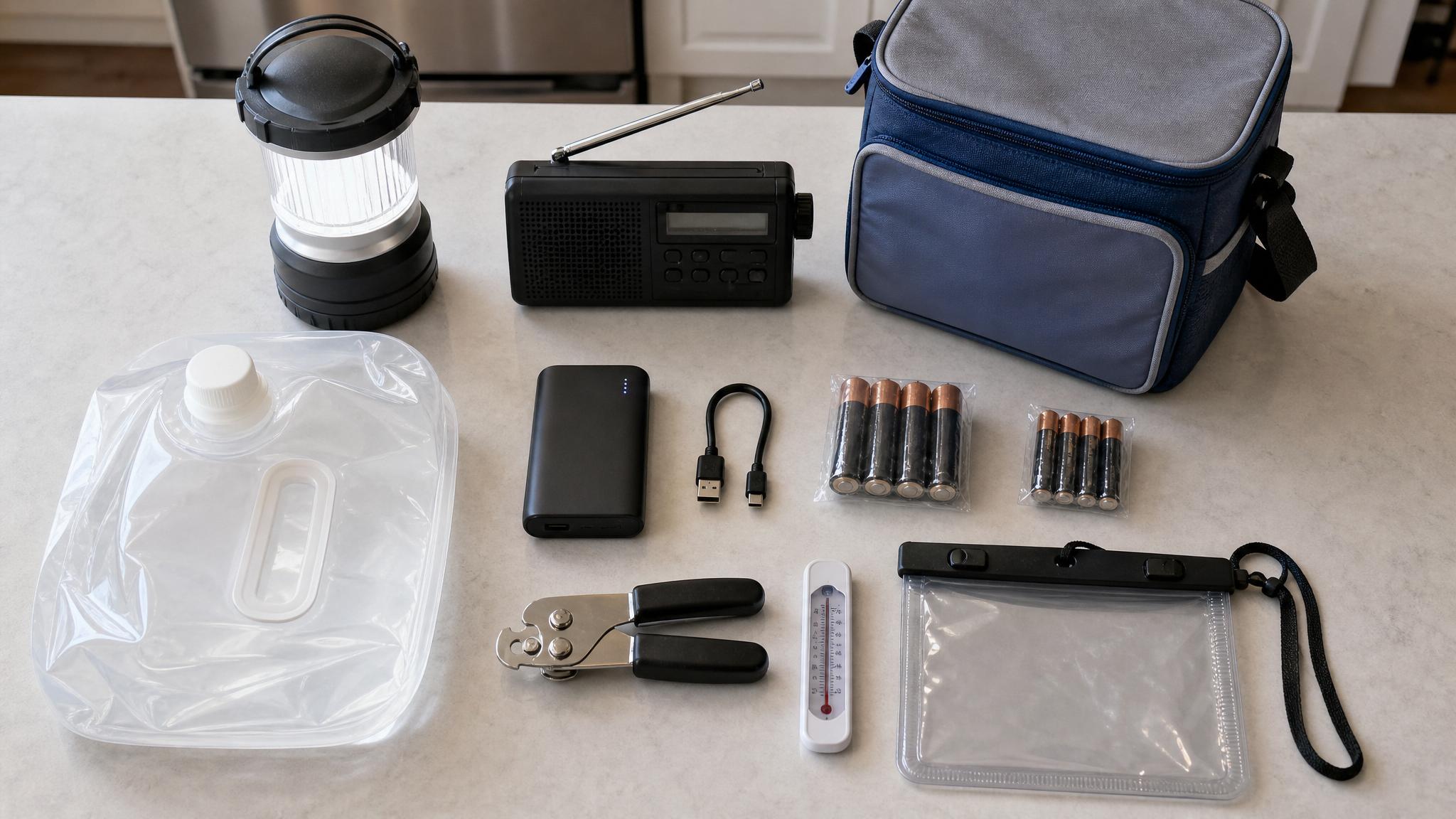
Good no-cook choices include tuna pouches, canned chicken, peanut butter, crackers, canned beans, canned fruit, shelf-stable hummus cups, granola bars, nuts, dried fruit, and ready-to-eat soup or chili. If you keep a manual can opener in the box, canned meals become much easier to use.
You can also include fast pantry meals that need only bottled water. Couscous is a strong choice because it hydrates faster than rice or pasta. The no-cook chickpea couscous emergency bowl is a good example of a shelf-stable meal that uses simple pantry ingredients.
Do not forget water
Food gets most of the attention, but water is the part you will notice first if it is missing. A common preparedness starting point is one gallon of water per person per day for drinking and basic hygiene. For a 3-day box, that means three gallons per person.
If that feels like too much to store in the same bin, keep the food box near your water storage and label them as a set. The important thing is that you know where both are.
Pack the small tools that make meals easier
A meal box should include more than food. Add the simple items that help you eat the food without digging through drawers in the dark.
- Manual can opener
- Plastic utensils or a reusable utensil set
- Paper bowls or plates
- Napkins or paper towels
- Trash bags
- Hand wipes or hand sanitizer
- Small spice blend or salt packets
- Printed meal list with expiration dates
Easy rotation checklist
Set a reminder to check the box every six months. You do not need to rebuild everything each time. Just rotate items that are close to expiring into your normal meals and replace them with fresh pantry items.
- Check expiration dates.
- Replace dented, leaking, or damaged cans.
- Refresh snacks your household has eaten.
- Swap in seasonal comfort foods if helpful.
- Update the printed meal list.
- Confirm your manual can opener is still in the box.
A simple starter list
If you want a quick starting point for one person, pack three oatmeal packets, three tuna or chicken pouches, two cans of soup or chili, one couscous meal kit, crackers, peanut butter, fruit cups, trail mix, electrolyte packets, and three gallons of water stored nearby.
Then customize from there. Add foods your household likes. Remove anything that would be hard to prepare without power. Keep it calm, simple, and realistic. Preparedness works best when it fits your real life.