Disclosure: Some of the links on this page are affiliate links. This means that, at no additional cost to you, I may earn a small commission if you click through and make a purchase. I only recommend products that I personally use or believe will be helpful in emergency preparedness.
When it comes to hurricanes and tornadoes, preparation is everything. These storms differ greatly in warning times, impact, and safety measures. Hurricanes offer days to prepare, often requiring evacuation. Tornadoes, however, strike with little notice, demanding immediate shelter. Knowing how each storm forms, where they occur, and how long they last can help you stay safe. Here’s a quick breakdown:
- Hurricanes: Larger, slower-moving storms with winds up to 155+ mph. They cause flooding, storm surges, and prolonged damage. Warnings are issued up to 36 hours in advance.
- Tornadoes: Narrow, fast-moving storms with winds up to 300 mph. They strike suddenly, with warnings averaging 13 minutes. Damage is often confined to smaller areas.
Key Prep Differences:
- Emergency Kits: Hurricane kits should last 7–14 days; tornado kits focus on immediate needs for 1–3 days.
- Shelter: Hurricanes may require evacuation; tornadoes demand a safe, interior room.
- Home Protection: Hurricanes call for reinforced windows and flood prevention; tornado prep emphasizes minimizing debris risks.
Quick Comparison:
| Aspect | Hurricane | Tornado |
|---|---|---|
| Warning Time | Days to weeks | Minutes to hours |
| Impact Duration | Hours to days | Minutes |
| Shelter | Evacuate or stay in place | Interior room or basement |
| Wind Speeds | Up to 155+ mph | Up to 300 mph |
| Geographic Risk | Coastal areas | Central U.S. (Tornado Alley) |
| Season | June–November | Spring and summer |
Understanding these differences and tailoring your preparations can save lives. Whether you’re boarding up for a hurricane or heading to a storm shelter for a tornado, every second counts.
Hurricane and Tornado Basics
How Hurricanes and Tornadoes Form
Understanding how hurricanes and tornadoes develop highlights why they require different preparation strategies. Hurricanes are massive, rotating systems of clouds and thunderstorms that form over warm tropical or subtropical waters. For a hurricane to develop, the sea surface temperature must exceed 79°F (26.5°C), and the water needs to be at least 164 feet (50 meters) deep. These storms also need a pre-existing weather disturbance, thunderstorm activity, and low wind shear to come together.
Tornadoes, on the other hand, are rapidly spinning columns of air that extend from a thunderstorm to the ground. They typically form over land in warm, moist, and unstable air ahead of cold fronts. Their formation depends on a mix of warm, humid air colliding with cooler, drier air, coupled with wind shear – sudden changes in wind speed and direction that create swirling air currents.
Hurricanes thrive in conditions of low vertical wind shear and consistent temperatures, while tornadoes rely on strong wind shear and sharp temperature contrasts. Hurricanes can span anywhere from 60 to over 1,000 miles in width, while most tornadoes are less than half a mile wide, although the largest recorded tornado reached about 2.5 miles across. Wind speeds also differ significantly: hurricanes range from 74 to over 200 mph, while tornadoes can hit speeds of 100 to 300 mph.
These differences in formation and scale directly influence the amount of warning time and the type of response needed for each storm.
Warning Times and How Long They Last
Hurricane warnings provide a longer lead time compared to tornadoes. The National Hurricane Center issues hurricane warnings 36 hours before tropical storm-force winds are expected, and hurricane watches are released 48 hours in advance. As the National Hurricane Center explains:
"NHC issues a hurricane warning 36 hours in advance of tropical storm-force winds to give you time to complete your preparations."
Tornado warnings, however, operate on a much shorter timeline. The National Weather Service issues these warnings when a tornado is either spotted or detected by radar. Warning times have improved over the years – from as little as 10 to 15 minutes in 1974 to an average of about 15 minutes as of 2013. This means you may only have a few minutes to find shelter.
The duration of these storms also varies significantly. Hurricanes can impact an area for hours or even days as their large systems move through, often leaving behind secondary effects like flooding, power outages, and blocked roads that can last for weeks. In contrast, tornadoes typically affect a specific location for only a few minutes.
These timing differences, combined with their geographic and seasonal patterns, shape how different regions prepare for these storms.
When and Where They Happen in the US
Hurricanes and tornadoes pose distinct risks depending on the time of year and location in the U.S. Hurricane season runs from June 1 to November 30, with peak activity occurring between mid-August and late October. The Gulf Coast states – especially Florida, Texas, and Louisiana – and the East Coast are most at risk. Florida leads the nation with 120 hurricanes recorded between 1851 and 2022, followed by Texas with 64 and Louisiana with 63. On average, about 1.75 hurricanes strike the U.S. annually.
Tornado season shifts across the country throughout the year. During cooler months, tornado activity is more common in the Southeast. By late spring, the risk moves to the southern and central Plains, peaking in May and June. In early summer, the northern Plains and Midwest see the highest tornado activity. For example, the southern Plains, including Texas, Oklahoma, and Kansas, experience peak tornado activity from May into early June. Meanwhile, the Gulf Coast typically sees tornadoes earlier in spring, and states like North and South Dakota, Nebraska, Iowa, and Minnesota are most affected in June or July.
Each year, the U.S. experiences over 1,200 tornadoes, and they can occur in all 50 states. However, the highest concentration is found east of the Rocky Mountains, particularly in the Great Plains, Midwest, Mississippi Valley, and the Southern U.S. The term "Tornado Alley" refers to the central U.S., where tornado activity is especially high, while "Dixie Alley" describes the tornado-prone areas of northern and central Alabama and Mississippi.
| State | Total Hurricanes (1851-2022) | Category 3+ Hurricanes |
|---|---|---|
| Florida | 120 | 37 |
| Texas | 64 | 19 |
| Louisiana | 63 | 19 |
| North Carolina | 58 | 7 |
| South Carolina | 32 | 5 |
Given these geographic and seasonal variations, preparation plans must align with the specific risks of your location. Coastal residents need to focus on hurricane readiness, while those in the central U.S. should prioritize tornado preparedness. In some areas, preparing for both threats is a necessity.
Hurricane vs. Tornado: What’s the difference?
Emergency Kit Supplies: What You Need for Each Disaster
Preparing for hurricanes and tornadoes requires different approaches, as the nature of these disasters varies greatly. Hurricanes often bring prolonged storms and flooding, while tornadoes strike with swift, intense force. Your emergency kit should reflect these differences.
Basic Emergency Kit Items for Both
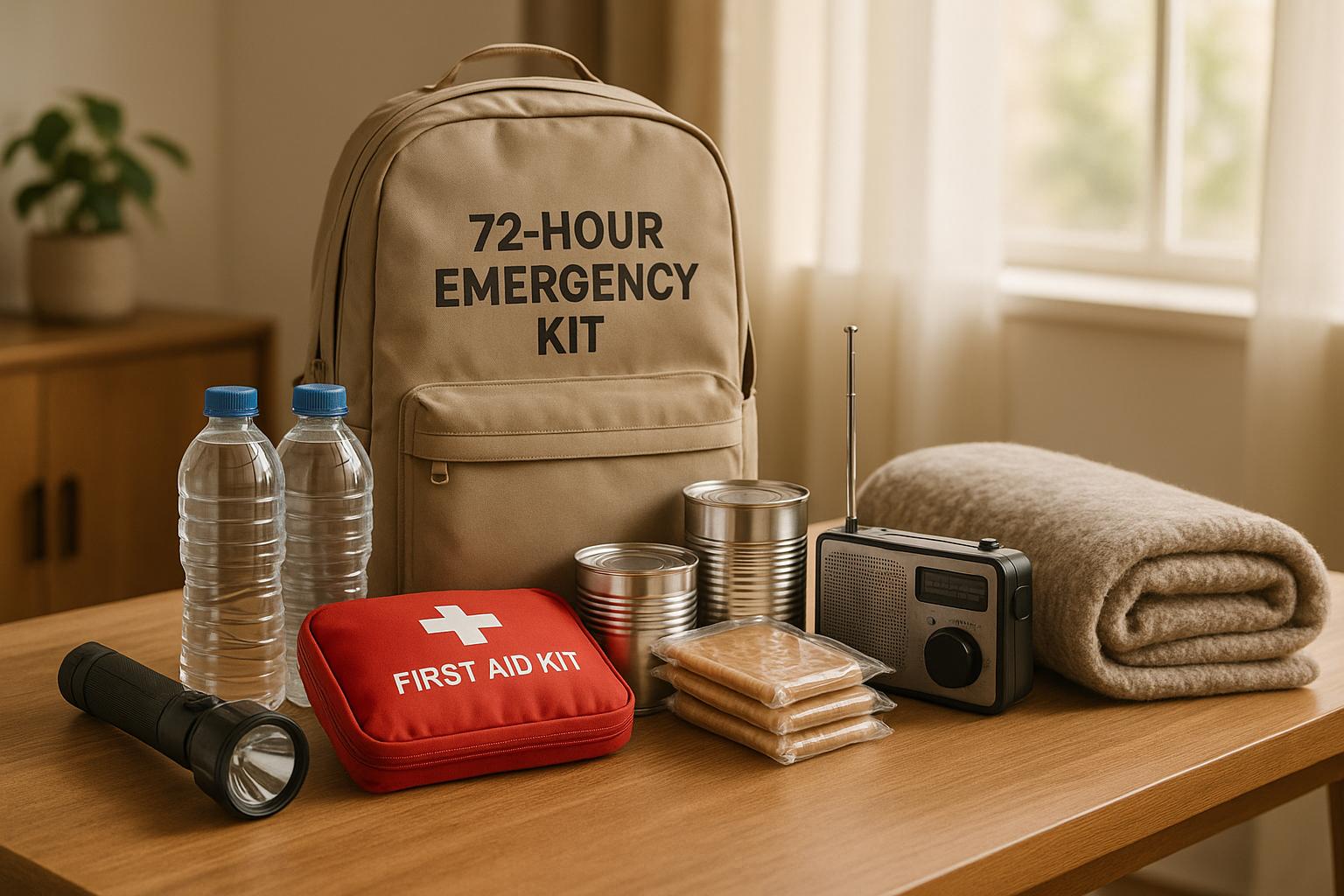
Every emergency kit starts with the essentials, regardless of the disaster. Water is a top priority – plan for one gallon per person per day to cover drinking and sanitation needs. Pack enough for three days if evacuating or two weeks if staying put.
Food should include non-perishable, easy-to-prepare items like canned goods, energy bars, dried fruits, and nuts. Don’t forget a manual can opener.
For communication and lighting, include a battery-powered or hand-crank NOAA Weather Radio for emergency updates, along with a flashlight and extra batteries.
Other must-haves include a first aid kit, a 7-day supply of medications, a whistle, dust masks, and a multi-purpose tool. Keep copies of important documents – like medical records, insurance policies, and passports – in waterproof containers. Also, set aside some extra cash, as power outages may disrupt ATM and credit card systems.
Store everything in portable containers like plastic bins or duffel bags, and protect individual items with airtight plastic bags. Make sure all family members know the kit’s location, and update it annually to reflect any changes in your household’s needs.
Once you’ve covered the basics, tailor your kit to address the specific challenges of hurricanes or tornadoes.
Extra Items for Hurricanes
Hurricanes often lead to extended power outages and flooding, so your kit should include additional supplies to handle these challenges. Portable chargers and backup batteries are essential for staying connected during prolonged outages. Solar-powered chargers can also be a good backup option.
Flooding can contaminate your water supply, so pack extra water and include water purification tablets or a portable water filter as a precaution.
For home protection, keep materials like plastic sheeting, scissors, and duct tape handy. While securing your home with plywood is typically done before the storm, these items can help with emergency repairs or creating temporary barriers against wind and rain.
Hurricanes may require evacuation, so include local maps with evacuation routes stored in waterproof containers. Ensure your car has a full tank of gas and familiarize yourself with alternate routes in case of road closures or flooding.
Additional items like extra clothing, blankets, personal hygiene products, and even entertainment for children can make a big difference during extended evacuations.
Extra Items for Tornadoes
Tornado preparedness focuses on immediate safety, as warning times are often short. Head protection is critical – include sturdy helmets for each family member, such as construction hard hats or bicycle helmets, to guard against falling debris.
Sturdy, closed-toe footwear is another must-have. Protective shoes or boots can help you navigate areas with broken glass, nails, or other sharp objects after a tornado.
Since tornadoes require quick action, store your supplies in a designated safe room or a grab-and-go kit that’s easy to access in moments. Unlike hurricane kits, which can be gathered more methodically, tornado kits need to be ready at a moment’s notice.
The National Weather Service underscores the importance of preparation:
"Remember you should prepare EACH and EVERY YEAR, as it only takes ONE Storm!"
Whether you’re dealing with the extended challenges of a hurricane or the sudden impact of a tornado, your emergency kit should reflect the specific risks in your area. Some regions face both threats throughout the year, so it’s essential to plan accordingly.
Shelter and Evacuation Plans
Shelter and evacuation strategies for hurricanes and tornadoes differ greatly due to the distinct nature of these disasters. Hurricanes provide ample warning time, allowing for planned evacuations, while tornadoes demand immediate action. Below, we break down the specific approaches for each scenario.
Hurricane Shelter and Evacuation
Hurricane evacuations typically involve large-scale, coordinated efforts impacting entire coastal communities. With several days’ notice, you can map out multiple evacuation routes and prepare emergency supplies. Always have alternative routes in mind, as main roads may become congested or flooded.
Local authorities issue evacuation orders – either mandatory or voluntary – based on the level of risk. Coastal and flood-prone areas are usually prioritized for evacuation, while those further inland might be advised to shelter in place. If evacuation isn’t possible, use your designated safe room, ensuring it’s stocked with essentials like water, non-perishable food, medications, and communication devices.
If you’re sheltering in place, protecting your home is equally important. Secure windows with plywood or storm shutters, and bring in or tie down outdoor furniture and other loose items that could become hazardous in high winds.
Hurricane shelters are built to withstand prolonged exposure to extreme weather, unlike tornado shelters, which are designed to handle short bursts of intense force.
Tornado Shelter and Safety
Tornadoes, on the other hand, offer little warning, making immediate shelter access critical. Evacuation isn’t typically an option. Instead, focus on having a pre-determined safe location and getting there quickly. Underground shelters, like basements or storm cellars, provide the best protection against tornado winds, which can reach up to 250 mph.
If no underground shelter is available, choose a small, windowless interior room on the lowest floor, such as a bathroom, closet, or hallway. Avoid rooms with large windows, exterior walls, or wide-span roofs like gymnasiums or auditoriums, as these structures are more prone to collapse.
Mobile homes are particularly dangerous during tornadoes and account for nearly half of tornado-related deaths. If you live in a mobile home, identify a nearby sturdy building or storm shelter in advance, or seek lower ground if possible.
Tornado shelters are built to meet higher impact standards due to the extreme forces they must withstand. For instance, while hurricane shelters can handle a 100 mph impact from a 9-pound 2×4, tornado shelters are designed to withstand a 100 mph impact from a 15-pound 2×4. They’re also constructed to endure wind speeds up to 250 mph, compared to 235 mph for hurricane shelters.
If you’re caught in a vehicle during a tornado, try to drive perpendicular to its path. If escape isn’t possible, park, fasten your seatbelt, and shield your head. Avoid seeking shelter under highway overpasses, as they can amplify wind speeds and create dangerous conditions.
Family Meeting Points and Practice Drills
Effective family plans are essential for both hurricanes and tornadoes. Designate meeting points and practice drills regularly to ensure everyone knows what to do. For hurricanes, establish local meeting spots and an out-of-state contact who can help relay information if local communication lines are overwhelmed.
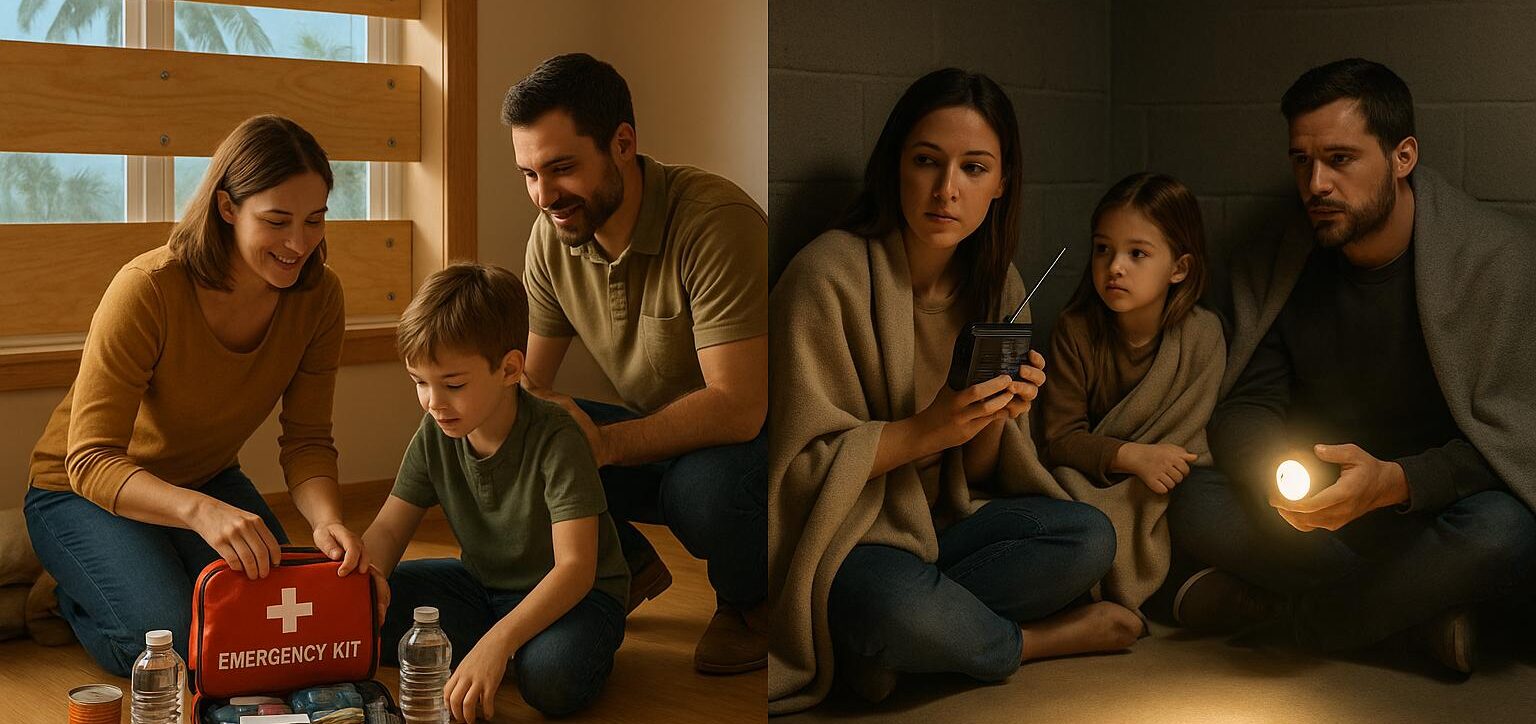
Practice evacuation routes and accessing your safe room, noting landmarks and shelter locations along the way. For tornadoes, aim to reach your safe room within 60 seconds. Practice taking a protective position by crouching low, covering your head with your hands, and staying away from windows.
Post clear signs and maps directing everyone to the safe room. Stock this area with emergency supplies such as weather radios, flashlights, batteries, first-aid kits, and blankets.
Sign up for community warning systems and ensure all family members understand the difference between tornado watches (favorable conditions) and tornado warnings (a tornado has been spotted – seek shelter immediately). While hurricane plans allow for careful preparation, tornado plans require swift action under pressure and minimal warning.
sbb-itb-1a93acd
How to Protect Your Home
Safeguarding your home from hurricanes and tornadoes requires tailored strategies, as each type of disaster presents unique challenges. While hurricane preparation focuses on strengthening your home against prolonged high winds and flooding, tornado safety centers on minimizing debris risks and ensuring quick access to shelter.
Hurricane Home Protection
Protecting your home from hurricanes starts with reinforcing its exterior to withstand high winds and potential water damage. The goal is to create a multi-layered defense against these elements.
Windows and doors are often the first points of vulnerability during hurricanes. Investing in impact-resistant windows provides year-round protection. As Ron Wysocarski, a leading real estate agent in Daytona Beach, Florida, explains:
"It’s best to have hurricane-impact windows with heavy frames that resist breakage and projectiles of up to 150 miles per hour".
Though effective, these windows come with a hefty price tag, ranging from $4,250 to $19,850, including installation. If this is outside your budget, hurricane shutters are a more affordable option, costing an average of $3,656. For entry points, fiberglass doors – priced between $250 and $2,000 – offer better resistance to wind and water damage than other materials. Following the devastation of Hurricane Andrew in 1992, many coastal areas now mandate high-impact windows in new construction.
Beyond windows and doors, other critical areas include roofs, garage doors, and water management systems. Roof reinforcement is vital, with metal roofs outperforming traditional asphalt shingles by withstanding winds up to 140 mph, compared to 130 mph for architectural shingles. Adding hurricane straps or clips can further secure your roof and prevent it from being lifted by strong winds.
Garage doors are another weak point, so consider installing hurricane-resistant models or reinforcing your current doors with bracing systems. Additionally, sealing gaps around doors, windows, and vents can reduce water intrusion.
Proper water management is essential to prevent foundation damage. Regularly clear gutters and downspouts to avoid water buildup, and improve yard drainage to direct water away from your home.
Landscaping can also play a role in hurricane defense. Plant wind-resistant trees with deep root systems, and keep them at a safe distance from your house and power lines. In coastal areas, opt for salt-tolerant plants. Using hurricane-resistant fencing that allows wind to pass through and replacing gravel or rocks with softer mulches, like shredded bark or pine needles, can further protect your property.
While these steps help fortify your home against hurricanes, tornado preparation requires a different approach.
Tornado Home Protection
Tornado protection emphasizes reducing airborne debris and ensuring quick access to safe zones within your home.
Start with tree and yard maintenance. Remove dead or weak tree limbs that could become projectiles during high winds. Secure outdoor items like patio furniture, grills, and garden tools to prevent them from becoming hazards.
Designate a windowless, interior room on the lowest floor as your tornado safe room. Clear the surrounding area to ensure you can reach it quickly in an emergency.
The National Weather Service highlights the primary danger during tornadoes:
"flying debris causes most deaths and injuries during a tornado".
This makes it critical to minimize debris risks. Unlike hurricane preparation, tornado safety focuses on immediate actions, such as anchoring outdoor items and maintaining a clear path to your shelter. Together, these measures create a comprehensive plan to protect your home and loved ones.
Hurricane vs Tornado Prep Comparison Chart
Preparing for hurricanes and tornadoes requires different approaches. Each type of disaster comes with its own risks and demands a unique response plan.
Quick Comparison
Here’s a breakdown of the key differences in hurricane and tornado preparedness:
| Preparation Aspect | Hurricane | Tornado |
|---|---|---|
| Warning Time | Days to weeks of advance notice | Minutes to hours of warning |
| Evacuation Likelihood | High – often advised in coastal areas | Low – shelter-in-place is typically preferred |
| Primary Shelter Location | Evacuation shelters or higher ground | Interior room on the lowest floor, ideally a basement |
| Emergency Kit Duration | 7–14 days of supplies for prolonged impact | 1–3 days, focusing on immediate needs |
| Home Protection Focus | Install storm shutters, secure outdoor items | Prepare a safe room |
| Wind Speeds | Up to 155+ mph sustained winds | Up to 300 mph in the strongest tornadoes |
| Damage Path | Covers large regions due to wide impact | Typically 1 mile wide, up to 50 miles long |
| Season | June 1 – November 30 (Atlantic) | Spring and summer, peaking April–June |
| Geographic Risk | Coastal areas and Gulf states | East of the Rocky Mountains, especially Tornado Alley |
| Kit Storage Priority | Multiple locations with larger quantities | Compact and easily accessible in the shelter area |
| Special Kit Items | Extra water and sanitation supplies | Whistle for signaling and dust masks |
| Mobile Home Safety | Evacuate to a secure structure | Seek a sturdy building immediately |
This side-by-side comparison simplifies the critical elements of preparation, making it easier to align your actions with the specific threats posed by each disaster.
Timing and the appropriate response strategy are at the heart of effective preparation. As Don Boyce, Director of the Massachusetts Emergency Management Agency, advises:
"If evacuation is necessary for an approaching hurricane, or any type of natural or man-made emergency, the key is that you and your family respond quickly and responsibly".
Final Thoughts on Disaster Preparedness
Understanding the differences between hurricane and tornado preparedness is vital for creating effective safety plans. Hurricanes often give days or even weeks to prepare, typically requiring evacuation plans. Tornadoes, on the other hand, strike with little to no warning, demanding immediate action and sheltering in place. These distinct characteristics, discussed earlier, highlight the importance of tailoring your disaster response to the specific threat.
Timing and response strategies differ significantly between these natural disasters, making it essential to align your emergency approach with the unique challenges each presents. A well-thought-out plan not only addresses these differences but also ensures a more organized and efficient response when disaster strikes.
As highlighted earlier, planning is about more than just logistics – it’s about creating a structured way for everyone involved to engage and prepare. A systematic approach "provides a methodical way to engage the whole community in thinking through the lifecycle of a potential crisis, determining required capabilities and establishing a framework for roles and responsibilities". This framework turns potential chaos into an organized and effective response.
Preparedness is especially critical for events that occur without much warning. Charlie Henry from OR&R’s Disaster Response Center drives this point home:
"Preparedness means planning for those real threats and hoping that they never happen. If they do, you have a greater chance of surviving physically and mentally if you are prepared in advance".
As covered in earlier sections on emergency kits and home protection, your preparation should focus on the specific risks in your area. For coastal communities, this means having a solid hurricane evacuation plan. For those in tornado-prone regions, identifying and maintaining safe interior spaces is key. Regardless of the threat, regular practice drills, up-to-date emergency contacts, and well-stocked supply kits are essential.
Emergency preparedness is not just about convenience – it can be the difference between life and death for you and your family. Taking the time now to create personalized plans, gather the right supplies, and practice your responses will make all the difference when every second counts. Whether you’re bracing for the prolonged impact of a hurricane or the sudden strike of a tornado, the steps you take today will shape your ability to protect your loved ones tomorrow. Start by addressing the primary threats in your area, but don’t overlook secondary risks – many inland regions face challenges from both hurricane remnants and tornado activity.
FAQs
How do emergency kit needs differ between hurricanes and tornadoes?
When it comes to preparing for hurricanes and tornadoes, emergency kits are tailored to meet the specific demands of each situation. Hurricane kits are built with long-term survival in mind. They typically include essentials like at least 1 gallon of water per person per day for several days, non-perishable food, a NOAA Weather Radio, and either a battery-powered or hand-crank radio. The focus here is on readiness for extended periods without access to basic resources, as well as being prepared for potential evacuations.
Tornado kits, however, are all about speed and portability. These kits are designed to be compact and easy to grab in a rush. They usually contain items like water, non-perishable food, a flashlight with spare batteries, a first aid kit, and a whistle for signaling help. Since tornadoes often strike with little warning, having quick access to these essentials is crucial.
By customizing your emergency kit to match the specific challenges posed by hurricanes or tornadoes, you can ensure your household is better equipped to handle either scenario.
How do the locations and seasons of hurricanes and tornadoes impact how you prepare for them?
Hurricanes are a common threat to the Gulf Coast and East Coast, especially during late summer and early fall. Preparing for these storms means taking steps like planning evacuation routes, reinforcing your home to withstand strong winds, and gathering essential supplies such as non-perishable food, clean water, and flashlights.
Tornadoes, on the other hand, are more frequent in the Midwest and Southeast, with spring and early summer being peak seasons. Preparation for tornadoes often includes identifying safe spaces like storm shelters or basements, conducting practice drills, and keeping a close eye on severe weather alerts. The season and geographic location greatly influence how families get ready for these types of natural disasters.
How can I protect my home from hurricanes and tornadoes?
To protect your home during severe weather, start with the basics: secure your windows and doors. Adding storm shutters or using impact-resistant materials can make a big difference. Reinforce your roof and garage doors to handle strong winds, and don’t forget to trim any trees near your home to minimize the risk of falling branches. Also, move outdoor furniture and loose items indoors – these can turn into dangerous projectiles during a storm.
If you’re preparing for a tornado, it’s crucial to identify a safe spot in your home. Look for a basement or an interior room without windows on the lowest level. Stay away from exterior walls and windows. Have an emergency kit on hand with essentials like bottled water, non-perishable food, necessary medications, flashlights, and copies of important documents. And, if local authorities issue an evacuation order, don’t hesitate – follow their instructions immediately to stay safe.